Your Perimenopause Symptoms Are Real & Treatable

Changing periods, hot flashes, poor sleep, mood changes, brain fog, vaginal discomfort, and shifts in energy or sexual wellbeing can disrupt daily life. These experiences deserve attention.
Hormone fluctuations during the menopause transition can contribute to many perimenopause symptoms. New symptoms can also have other causes, so a doctor can help sort through what is going on and discuss care that fits your health history.
Online care gives you a convenient way to discuss symptoms and potential treatment with a licensed clinician. Explore perimenopause and menopause treatments to learn about available options.
Urgent, severe, or unusual symptoms need prompt in-person evaluation. Seek care for very heavy bleeding, prolonged bleeding, bleeding after menopause, chest pain, or severe mood changes.
Could it be perimenopause?
What perimenopause means
Peri means surrounding or near. So, perimenopause is the transition leading up to menopause. During this time, ovarian hormone production and menstrual cycles become less predictable.
Menopause is reached after 12 consecutive months without a menstrual period. Perimenopause is what happens before that point. It often begins in the 40s, though some people notice changes earlier. Mayo Clinic explains the transition, common symptoms, and the distinction between perimenopause and menopause.
For more on timing and early changes, read When Does Perimenopause Begin? Ages, Signs, and Timeline.
Common perimenopause symptoms
Perimenopause symptoms vary widely. Some people have a few mild changes, while others have symptoms that affect sleep, work, relationships, or daily routines.
Common symptom categories include:
Period changes: Periods may become irregular, lighter, heavier, shorter, or longer.
Temperature changes: Hot flashes and night sweats may occur.
Sleep and energy changes: Sleep disruptions and fatigue may develop.
Mood and thinking changes: Anxiety, irritability, low mood, brain fog, and poor concentration may occur.
Vaginal and urinary symptoms: Vaginal dryness, irritation, discomfort during sex, and urinary changes may need care.
Sexual wellbeing: Libido and sexual-function changes can happen during the transition.
Body changes: Weight and body-composition changes may occur.
Hair changes: Hair thinning during perimenopause may have several causes, including hormonal shifts, genetics, nutrition, stress, medications, or medical conditions.
The NHS and Office on Women’s Health list many of these symptoms and note that each person’s experience differs.
When to talk with a doctor: Consult a doctor if symptoms interfere with your daily life, your bleeding pattern changes, you develop a new symptom, or you are unsure whether perimenopause explains what you are feeling.
Find a treatment plan that fits your symptoms and health history
The best perimenopause treatment is personal. There is no single medication, dose, or delivery method that suits every person.
A doctor should consider your symptoms, medical history, uterus status, current medications, pregnancy potential, personal preferences, and individual risk factors. Musely menopause treatments lists current treatment categories, pricing, and availability.
Treatment availability and suitability vary by state and individual medical evaluation.
Nonhormonal options and lifestyle support
Lifestyle changes can support perimenopause symptom relief, especially alongside doctor-guided care. They do not replace medical evaluation when symptoms are severe, persistent, or concerning.
Helpful approaches may include:
Wear layers to self-adjust body temperature, and keep your bedroom cool.
Note whether alcohol, caffeine, spicy foods, or other factors trigger symptoms.
Keep a consistent sleep schedule and bedtime routine.
Include physical activity, balanced nutrition, and stress-management practices that work for your routine.
Use vaginal lubricants or moisturizers for mild dryness. Persistent dryness, painful sex, irritation, or urinary symptoms deserve clinical evaluation.
The NIH’s guidance on managing menopause discusses cooling strategies, sleep support, physical activity, mindfulness, and medical options for symptoms.
Perimenopause hormone therapy
Perimenopause hormone therapy may be an option for some people with bothersome hot flashes or disruptive brain fog. Menopausal hormone therapy can include estrogen. Many people with a uterus also need progesterone or another progestogen with systemic estrogen to help protect the uterine lining.
Hormone therapy is not appropriate for everyone. A doctor should review the potential benefits and risks based on your health history and treatment goals. Nonhormonal prescription options may also be considered for vasomotor symptoms, depending on the person’s needs.
Mayo Clinic’s perimenopause diagnosis and treatment guidance explains that care often combines symptom history, medical review, and individualized treatment discussions.
What treatment may look like
A qualified doctor may consider one or more treatment components after reviewing your symptoms and health history. Your plan is not a fixed kit, and a prescription is never guaranteed.
Explore Musely perimenopause and menopause treatments to review current options.
Estradiol for perimenopause
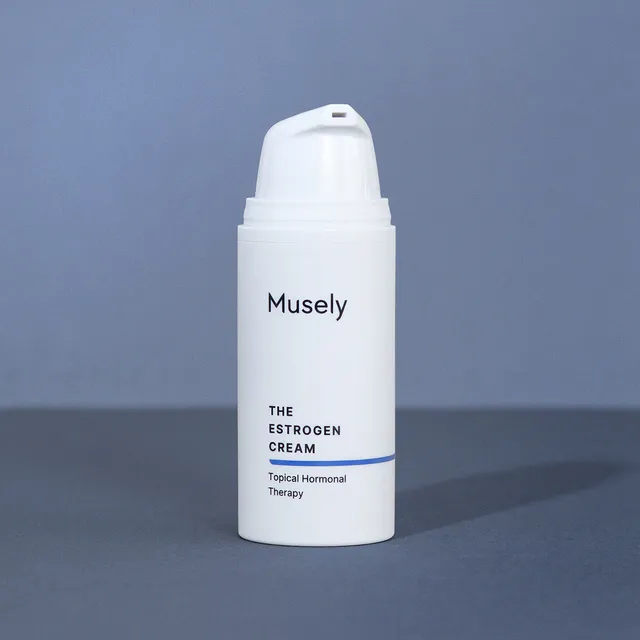
Estradiol is a form of estrogen that may be prescribed for perimenopause. Musely offers a cream or a pill.
The Estrogen Pill is $35 per month. The Estrogen Cream is $46 per month. Review the current treatment pages before selecting your preferred format and starting an intake.
Your doctor will consider your symptom goals, medical history, and personal risk factors before writing your prescription.
Progesterone for perimenopause
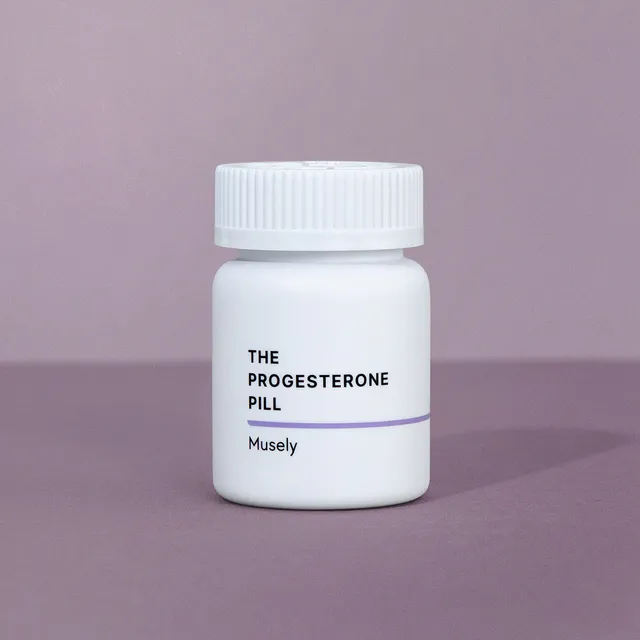
Progesterone for perimenopause may be considered alongside systemic estrogen for people with a uterus. Its role in this setting is often to help protect the uterine lining.
That does not mean progesterone independently treats every perimenopause symptom. A doctor should determine whether it is appropriate and which formulation fits your plan. Review Musely’s treatment information section for an overview.
Vaginal dryness and related symptoms
Vaginal dryness, irritation, urinary changes, and painful sex can occur during the menopause transition. These symptoms deserve care and should not be dismissed.
For some people, local estrogen may also be prescribed for vaginal or urinary symptoms. Local vaginal treatment differs from the systemic hormone therapy noted above and may address a different set of concerns.
Vaginal symptoms can also result from infections, skin conditions, medications, or other concerns that need evaluation.
Support concerns that can occur alongside hormonal changes
Hair thinning after menopause, changing skin, and facial-hair changes can be frustrating. Perimenopause may be one factor, but these concerns can have multiple causes.
An individualized assessment can help identify the next step. Browse Musely’s complete treatment collection for an overview of hormone, hair, and skin treatment categories.
Online perimenopause treatment: how Musely care works
Musely provides prescription care through an online process designed around doctor review, without the waiting room. Care begins with gathering your medical information and treatment goals.
Complete an online medical intake. Share your symptoms, health history, and goals.
Receive your review. A Board-Certified doctor reviews your information and determines whether treatment is appropriate.
Get a personalized medication plan, if prescribed. Musely provides prescription medications that are compounded and delivered directly to patients.
Use available follow-up support. Messaging, eNurse, and follow-up options are available for questions and treatment adjustments.
Musely treatments are formulated by U.S. doctors and compounded fresh for you.
What to compare before choosing online care
If you are comparing Musely to other online perimenopause care, consider the following:
Which treatment types and formulations does the provider currently offer?
Are medication prices, consultation costs, refill terms, and shipping fees clearly explained?
Does the service operate in your state?
How does clinician evaluation work?
How are follow-up questions, treatment adjustments, and messaging handled?
What symptom-specific care is available for hot flashes, vaginal symptoms, sleep concerns, hair concerns, and skin concerns?
Musely lists all of your treatment options and pricing on its menopause treatment page.
Frequently asked questions
What is perimenopause?
Perimenopause is the hormonal transition leading up to menopause, when menstrual cycles and hormone levels become less predictable. Menopause is confirmed after 12 consecutive months without a period.
When does perimenopause start?
Perimenopause commonly begins in the 40s, though timing differs and some people notice changes earlier. Read When Does Perimenopause Begin? Ages, Signs, and Timeline for more information.
How long does perimenopause last?
Duration varies and perimenopause can last several years. Talk with a doctor if symptoms disrupt your life or your bleeding pattern changes.
What are the first signs of perimenopause?
Irregular periods are a common early change. Some people also notice hot flashes, changing menstrual flow, poor sleep, or mood shifts. Symptoms do not always occur in the same sequence, and not all women experience all symptoms.
Can you get pregnant during perimenopause?
Yes. Ovulation can still occur during perimenopause, even when cycles are irregular. Discuss pregnancy prevention with a qualified healthcare professional if you do not want to become pregnant.
How is perimenopause diagnosed?
There is no single test that definitively diagnoses perimenopause for every person. Clinicians often consider age, symptoms, menstrual history, and other possible causes. Fluctuating hormone levels can limit the usefulness of hormonal lab tests. Learn more from Mayo Clinic.
Is spotting during perimenopause normal?
Cycle changes and spotting can occur during perimenopause. Heavy bleeding, bleeding after sex, persistent unexpected bleeding, or bleeding after menopause should be assessed by a clinician. ACOG offers guidance on changing periods and when to seek care.
Is weight gain a symptom of perimenopause?
Body-composition and weight changes can occur around midlife. Aging, activity, sleep, diet, medications, and other health factors can also contribute, so perimenopause alone does not explain every change.
Can perimenopause affect mood and anxiety?
Mood changes, anxiety, irritability, and depression can occur during the menopause transition. Persistent, worsening, or severe mood symptoms need professional support. ACOG explains why mood care matters during perimenopause.
Get support for symptoms that affect your life
You do not need to dismiss disruptive symptoms as “just aging.” A doctor-guided conversation can help you understand your perimenopause symptoms, review your health history, and discuss treatment preferences.
Explore Musely hormone replacement therapy (HRT) options. Prescriptions are provided only when medically appropriate, and treatment availability may vary.