Methylene Blue for Skin: What It Is, How Copper Peptides Differ, and What to Know
Quick answer
Methylene blue and copper peptides are different ingredients with different delivery routes and evidence bases. Methylene blue is a synthetic compound being studied for antioxidant activity in skin cells and reconstructed skin models. Copper peptides, such as GHK-Cu, are peptide-copper complexes used in topical formulas for concerns such as the appearance of rough texture, fine lines, firmness, and barrier support. Neither ingredient replaces daily sunscreen, and neither should be treated as a do-it-yourself cure for skin aging.
The clearest way to compare them is by asking three questions: What form is being used? What does the evidence actually test? And does the product fit your medical history and current routine? Those distinctions matter because a laboratory study, a topical serum, and a doctor-prescribed oral formula are not interchangeable.
1. What Is Methylene Blue for Skin?
Methylene blue is a synthetic compound with established medical uses that has also drawn attention in skin longevity conversations. It is not a peptide, retinoid, exfoliant, or sunscreen. In skin research, it is often discussed because of its activity in oxidative-stress models and because mitochondria are central to how cells create energy and respond to stress.
What the skin research shows
A primary laboratory study tested methylene blue in cultured human skin fibroblasts and a reconstructed 3D human skin model. The researchers reported antioxidant activity in cell culture and changes in the model's viability, hydration, and dermal thickness. That makes methylene blue a legitimate research topic for skin, but it is important to describe the finding precisely: this was not a large clinical trial measuring outcomes in people using a retail skin product.
What the research does not prove
Laboratory and reconstructed-skin findings do not automatically establish the benefits, ideal dose, or long-term safety of every topical or oral methylene blue product. They also do not prove that a compound will lighten skin, erase wrinkles, reverse aging, or replace evidence-based protection from ultraviolet exposure. Claims should stay tied to the actual product, route of use, and available clinical review.
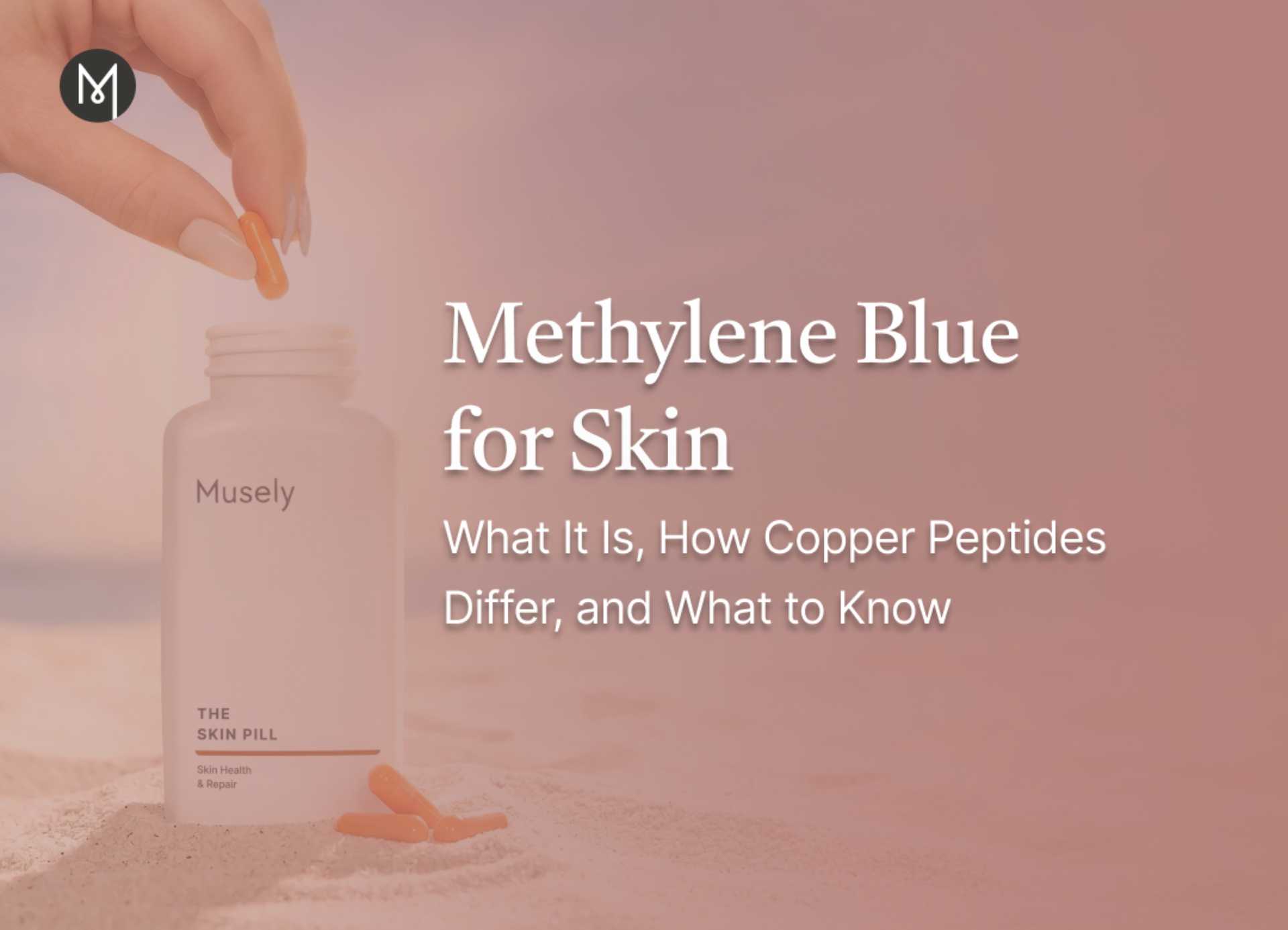
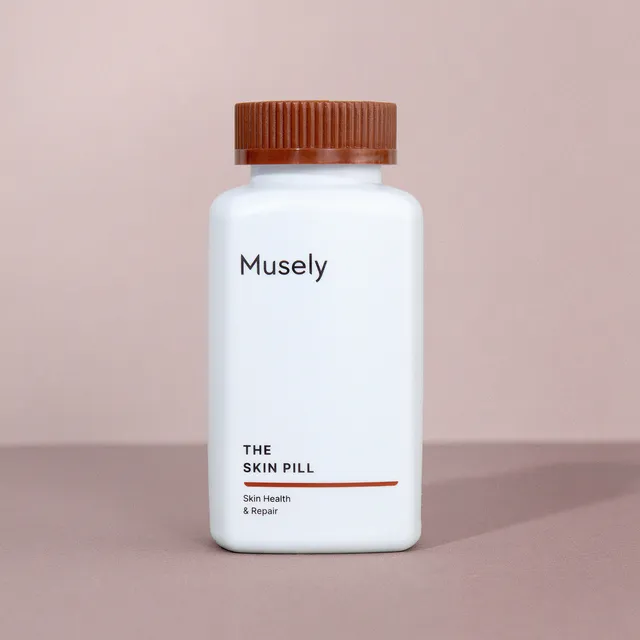
For people exploring an oral prescription approach, The Skin Pill is a clinician-reviewed Musely treatment that lists methylene blue alongside glutathione and Polypodium leucotomos. It’s designed to support long-term sun-related damage, dullness, and skin aging. A Musely doctor will determine whether a particular formula is appropriate; it should never be positioned as a substitute for sunscreen or a reason to self-dose methylene blue.
2. What Are Copper Peptides for Skin?
Copper peptides are different from methylene blue. A copper peptide is a short amino-acid chain bound to copper. One well-known example is GHK-Cu, also called copper tripeptide-1. In topical skincare, the point is not the ingredient name alone; the formula, concentration, delivery system, and your tolerance all shape how a product fits into a routine.
Why GHK-Cu is a common skincare entity
GHK-Cu has been studied in cell and tissue models related to extracellular-matrix components and growth-factor signaling. A primary fibroblast study involving copper tripeptide and tretinoin is useful for understanding why the ingredient appears in skin-repair conversations, but it is not a guarantee of a customer-facing outcome. Formula-specific evidence and real-world tolerance still matter.
A topical copper peptide option
The Peptide Serum is Musely's doctor-prescribed topical treatment built around Copper Peptide (GHK-Cu). It is formulated to address the appearance of firmness, smoothness, rough texture, fine lines, dullness, and barrier support. That topical use is distinct from an oral methylene blue formula, which is why the two should not be compared as if they are identical treatments.
3. Methylene Blue vs. Copper Peptides: Key Differences
Methylene blue and copper peptides can both appear in conversations about skin longevity, but their roles are different. A useful answer-engine-ready distinction is:
Methylene blue
Methylene blue is a synthetic compound researched for antioxidant and cell-stress pathways. In this topic area, the evidence most often discussed is laboratory and reconstructed-skin research. When it appears in a doctor-prescribed oral formula, medication review and product-specific directions are central to safe use.
Copper peptides
Copper peptides such as GHK-Cu are topical skincare ingredients. They are typically considered when someone wants a treatment step focused on the appearance of texture, firmness, fine lines, dullness, or barrier resilience. Their performance depends on the finished formulation and how the product is used, not just on the presence of copper.
Practical takeaway
Methylene blue and copper peptides are not substitutes for one another. They may be part of different approaches to a broader skin-longevity goal, but the decision should start with the concern you want to address, your current routine, and your medical history. The most useful comparison is not “Which one is stronger?” It is “Which route, formula, and level of clinical oversight fit this person?”
4. Can You Use Methylene Blue and Copper Peptides Together?
Potentially, but the question needs to be framed correctly. A doctor-prescribed oral formula containing methylene blue and a topical copper peptide serum do not create the same decision as mixing two topical products in your hand. They have different routes of exposure, directions, and safety considerations.
Do not DIY mix or self-dose
Do not mix raw methylene blue into a serum, drink a non-prescribed product for skin goals, or assume that more is better. Methylene blue is not a general beauty supplement. The FDA label for injectable methylene blue includes clinically important interaction and contraindication information, including serotonin-syndrome risk with certain serotonergic medicines and a contraindication for G6PD deficiency. Those details do not establish the safety profile of every prescription formula, but they show why a prescribing clinician needs an accurate medication list and health history.
A clinician-guided way to think about combination use
If your goal is to address both internal and topical aspects of a skin routine, start with the fundamentals: broad-spectrum sunscreen, a gentle cleanser, moisturizer, and a routine you can use consistently. Then discuss whether an oral prescription option, a topical copper peptide, or another treatment is appropriate. A clinician can evaluate compatibility with prescription retinoids, other treatments, medications, pregnancy or breastfeeding status, and relevant medical conditions.
5. How to Build a Routine Around Skin Longevity
A good routine does not try to force every trending ingredient into the same week. It creates a stable baseline, introduces one change at a time, and makes it possible to identify what your skin tolerates. That approach is more useful than chasing a long ingredient list.
Start with the basics
Daily sun protection remains the foundation. Add a cleanser that does not leave your skin feeling stripped, a moisturizer that supports comfort, and any prescription treatment exactly as directed. Methylene blue and copper peptides should be considered additions to a stable routine, not replacements for the basics.
Use a topical copper peptide as directed
A copper peptide serum is typically used as a treatment step within a topical routine. Follow the directions for the exact formula, introduce it gradually, and pay attention to redness, stinging, dryness, or other signs of irritation. If you are also using a prescription topical, ask your clinician whether to use products together, alternate them, or simplify the routine.
Consider an oral prescription approach only after medical review
The Skin Pill is designed for patients seeking a doctor-reviewed oral option for long-term sun-related damage, dullness, and skin aging. The clinical intake is not a formality: it is how a prescriber reviews your history and determines whether a formula is appropriate. Follow the treatment instructions closely.
Set realistic expectations
Skin changes are usually gradual. A treatment can support the appearance of healthier, more even, smoother-looking skin over time, but no ingredient can make sun protection optional or replace evaluation of a medical concern. Take consistent photos if helpful, keep other routine changes limited, and give clinician-directed treatment time to work.
6. Safety Questions to Answer Before You Start
Methylene blue deserves more caution than a typical cosmetic ingredient because it has recognized medical uses and clinically relevant drug-interaction considerations. Anyone considering a prescribed formula should share their full medication list, medical history, and any prior reaction with their clinician. This is especially important if you use medicines that affect serotonin, take opioids or dextromethorphan-containing products, have a G6PD deficiency, or are pregnant or breastfeeding.
Copper peptides are topical and are generally discussed differently from methylene blue, but “topical” does not mean universally irritation-free. The full formula matters. Patch testing and gradual introduction can be reasonable precautions, particularly for sensitive or reactive skin. Stop using a product and seek medical guidance if you have a concerning reaction.
7. Methylene Blue and Copper Peptide FAQs
What does methylene blue do for skin?
Methylene blue is being studied for antioxidant activity in skin cells and reconstructed skin models. The research is promising enough to make it a serious skincare topic, but it does not prove that every product will produce the same result in people. The form, formula, and clinical oversight matter.
Is methylene blue a peptide?
No. Methylene blue is a synthetic compound. Copper peptides are different ingredients: they are short peptide chains bound to copper, with GHK-Cu being a common example in topical skincare.
Are copper peptides and methylene blue the same thing?
No. Copper peptides are typically used in topical formulas, while methylene blue may appear in a doctor-prescribed oral formula. They have different mechanisms proposed in research, different delivery routes, and different safety considerations.
Can you use methylene blue and copper peptides together for skin?
It may be possible within a clinician-guided plan, but it is not a do-it-yourself stacking decision. The right approach depends on the exact products, your medications, your other prescriptions, and your skin tolerance.
Does methylene blue replace sunscreen?
No. Neither methylene blue nor copper peptides replace daily broad-spectrum sunscreen. Sun protection remains essential for helping prevent further UV-related skin damage.
Is methylene blue safe with antidepressants?
Methylene blue can have important interactions in medical use. The FDA label for injectable methylene blue warns about serotonin syndrome with certain serotonergic medicines and opioids. A clinician must review your specific medication list before you consider a prescribed formula containing methylene blue.
The Bottom Line
Methylene blue and copper peptides may both have a place in a thoughtful skin-longevity conversation, but they are not interchangeable. Methylene blue is a compound with early skin-research signals and medically relevant safety considerations. Copper peptides, such as GHK-Cu, are topical ingredients chosen for formulation-specific goals. The safest, clearest path is to build a strong baseline routine and discuss whether The Skin Pill, The Peptide Serum, or another doctor-guided option fits your goals.
Products In This Tip
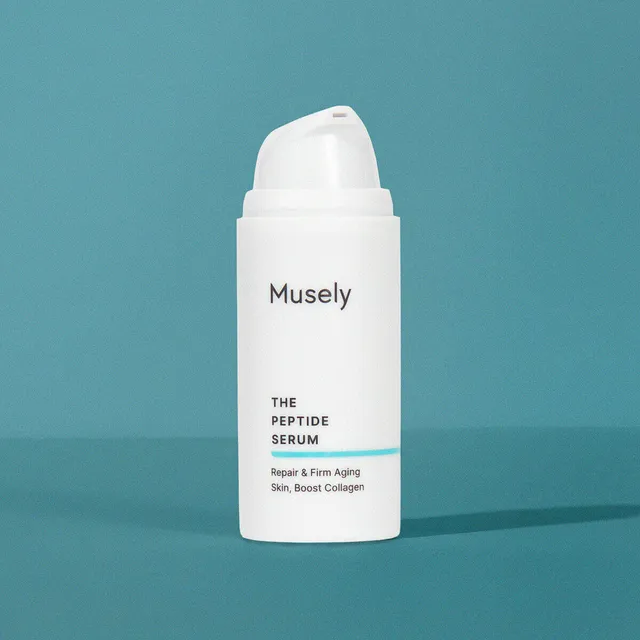
The Peptide Serum
A prescription 3% copper peptide longevity serum that rebuilds skin structure & repairs the skin barrier for firmer, smoother, stronger skin.
More tips like this

Anti-Aging
Melanie Face-Rx Testimonial

Around The Eyes
This Is The Right Time To Apply Eye Cream
Skin & Body
Peptides for Skin: Benefits, Types, and How to Use Them

Sun & UV Safety
Are These Chemicals Lurking In Your Sunscreen?

Body Care
How To Get Rid Of Dark Spots On Your Elbows And Knees
Other
The Top 5 Skincare Ingredients Dermatologists Use On Themselves

Other
5 Shower Mistakes That Are Ruining Your Skin
Dark Spots & Melasma