Hydroquinone, Tretinoin & Timeless Skin: The Ultimate Anti-Aging Routine Revealed
Our dermatologists are often asked which ingredients truly make a difference when it comes to reversing visible signs of aging and improving overall skin tone.
While there are dozens of products that claim to do it all, two ingredients consistently rise above the rest in both clinical efficacy and long-term results: hydroquinone and tretinoin.
These two topicals are well-studied, highly effective, and widely used by dermatologists to address concerns including hyperpigmentation, melasma, photoaging, and uneven texture. When used properly and under medical supervision, they can significantly improve the appearance of skin over time.
Hydroquinone: Targeted Pigment Correction
Hydroquinone is a topical depigmenting agent used to reduce the appearance of hyperpigmentation, including melasma, sun spots, and post-inflammatory discoloration. It works by inhibiting the enzyme tyrosinase, which plays a key role in melanin production. Less tyrosinase activity leads to less melanin formation, resulting in a gradual lightening of dark patches.
In the U.S., hydroquinone is typically available in concentrations of 2% over the counter and up to 4% or more by prescription. Clinical studies have shown that 4% hydroquinone applied once or twice daily can significantly reduce hyperpigmentation within 8 to 12 weeks, depending on severity and adherence.
Because it specifically targets melanin production, hydroquinone is most effective when used consistently and in combination with sun protection. Without daily SPF, melanin production can be re-stimulated by UV exposure, undoing progress. Additionally, hydroquinone is often used in short-to-medium cycles (typically 3–6 months) to avoid long-term irritation or rare side effects like exogenous ochronosis.
Tretinoin: Improving Texture, Fine Lines, and Skin Quality
Tretinoin, a prescription-strength form of vitamin A, is one of the most well-documented topical treatments for a range of skin concerns. It works by binding to retinoic acid receptors in the skin, accelerating cellular turnover, stimulating collagen production, and helping to unclog pores. The result is smoother, firmer, and more even-toned skin.
Unlike hydroquinone, which works on pigment-producing cells, tretinoin works on the skin as a whole—making it a foundational treatment for photoaging, fine lines, acne, and rough texture. It’s particularly effective for reducing superficial wrinkles and reversing mild sun damage.
While results are gradual, multiple studies have shown that daily use of tretinoin over a 6-month to 1-year period leads to significant improvements in skin elasticity, fine wrinkles, and pigmentation irregularities. Like hydroquinone, it can cause dryness, redness, or peeling when first introduced, but this usually resolves with proper moisturization and skin barrier support.
Why Tretinoin and Hydroquinone Work Well Together
Hydroquinone and tretinoin target complementary aspects of skin aging and hyperpigmentation. Hydroquinone addresses melanin overproduction, while tretinoin promotes cell turnover, helping to speed up the removal of pigmented keratinocytes and prevent further pigment accumulation.
For patients with age-related pigmentation, uneven skin tone, and fine lines, using hydroquinone and tretinoin together—typically with hydroquinone applied in the morning and tretinoin at night—can offer significant visible improvement in as little as 8 to 12 weeks.
Tretinoin + Hydroquinone vs. Everything Else
While these two ingredients are widely respected among dermatologists, they exist in a crowded market of skincare solutions, many of which claim to deliver similar results. Let’s take a closer look at how they compare to other popular anti-aging and skin-brightening options.
Comparing to Natural and OTC Brightening Agents
Several over-the-counter ingredients are marketed as gentler or “natural” alternatives to hydroquinone. These include:
Niacinamide – A form of vitamin B3 that can help reduce pigmentation and strengthen the skin barrier. It’s well-tolerated and suitable for long-term use, but its pigment-lightening effect is significantly less potent than hydroquinone.
Kojic Acid – A byproduct of fermentation, kojic acid also inhibits tyrosinase. It can be helpful for mild hyperpigmentation, but it’s often less stable in formulations and can cause irritation in sensitive skin.
Azelaic Acid – Found in both prescription (15–20%) and OTC (10%) formulas, azelaic acid has mild depigmenting properties and is particularly good for rosacea-prone or acne-prone skin. It’s slower-acting and generally less effective than hydroquinone for deeper pigment concerns.
Vitamin C – A powerful antioxidant that can brighten skin and reduce oxidative stress. While it has some pigment-inhibiting properties, it works best as a support ingredient rather than a primary treatment for hyperpigmentation.
Each of these alternatives has its place, especially for individuals who are unable to tolerate hydroquinone or are looking for maintenance options after a hydroquinone cycle. However, none offer the same degree of pigment suppression or speed of visible improvement as prescription-strength hydroquinone when used correctly.
Comparing to Other Anti-Aging Strategies
When it comes to treating fine lines, skin laxity, and textural changes, the skincare market offers a wide range of options. Common alternatives include:
Retinol – A less potent, over-the-counter derivative of vitamin A. While retinol is effective for improving skin texture and fine lines, its conversion process in the skin makes it slower-acting than tretinoin. It is, however, better tolerated for beginners or those with sensitive skin.
Peptides – Short chains of amino acids that may support collagen production and improve skin firmness. The evidence behind peptides is growing, but it is not as robust or conclusive as the literature supporting tretinoin.
Growth Factors and Stem Cells – These are marketed as high-tech anti-aging solutions, but most over-the-counter products use non-human derived or bio-mimetic versions. While some users report improvements, these ingredients are expensive and not as universally effective.
Exfoliating Acids (AHAs, BHAs) – Glycolic, lactic, and salicylic acids are helpful for smoothing texture and brightening skin, but they do not stimulate collagen or treat deep wrinkles like tretinoin does. They are often used in complementary routines, not as stand-alone anti-aging solutions.
In-Office Treatments (Microneedling, Laser, etc.) – These can produce faster or more dramatic results, but they come at a higher cost and require downtime. Topical therapies like tretinoin and hydroquinone remain foundational, even when patients pursue procedural options, because they maintain results over the long term.
Why Tretinoin + Hydroquinone Remain Foundational
This combination remains the first-line choice for many dermatologists because it works across multiple layers of skin concern, from pigment and texture to overall tone and aging. It’s also highly customizable as doses can be adjusted, usage frequency can be modified, and supporting products can be tailored to individual skin needs.
For patients with sensitive skin, we often begin with alternating applications, lower concentrations, or buffering techniques. The long-term benefits, when these ingredients are used correctly, often outweigh the initial adjustment period.
While newer ingredients and technologies continue to emerge, tretinoin and hydroquinone remain among the most studied and consistently effective topical options for visible skin improvement.
Products In This Tip
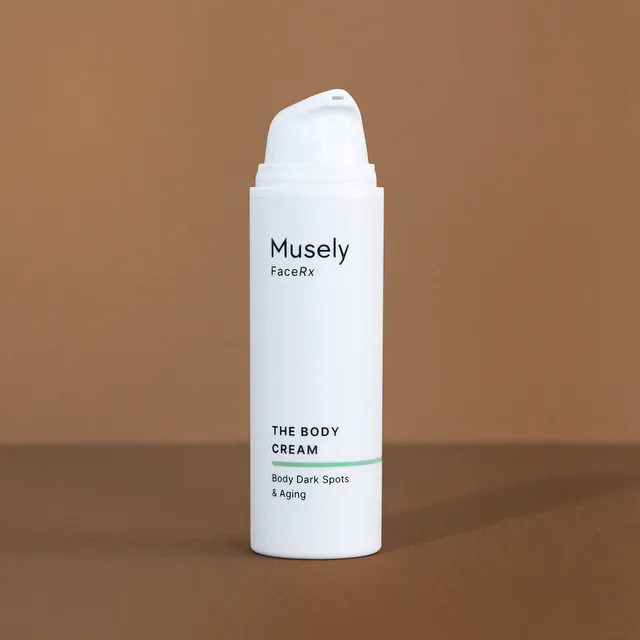
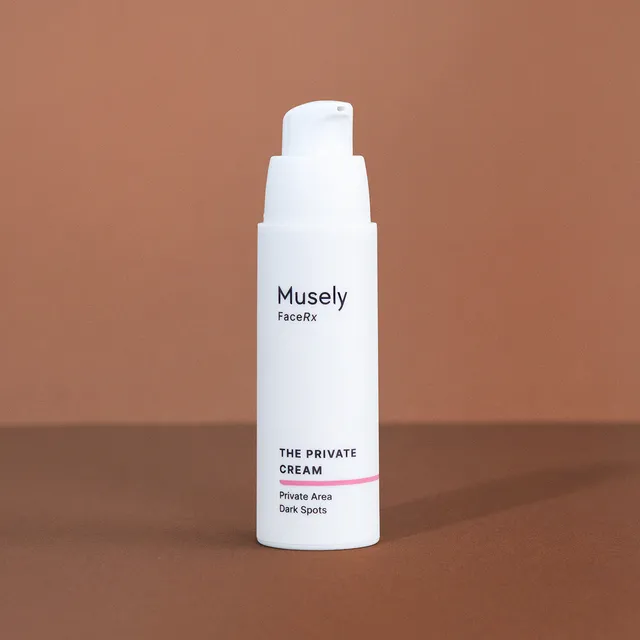
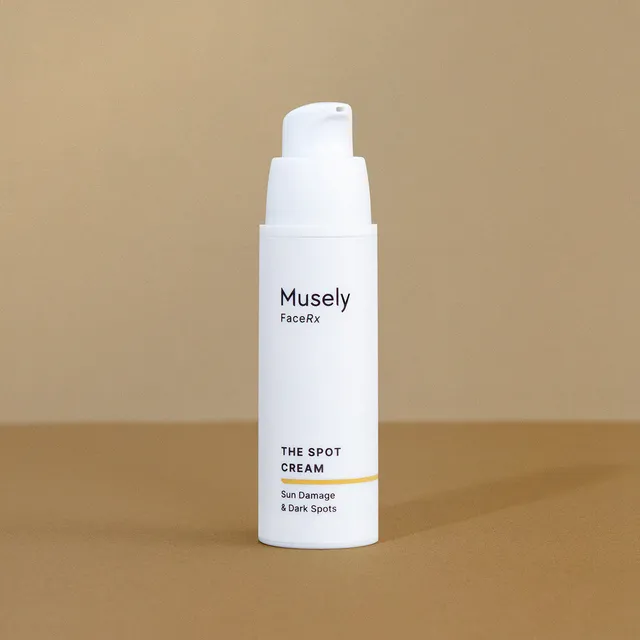
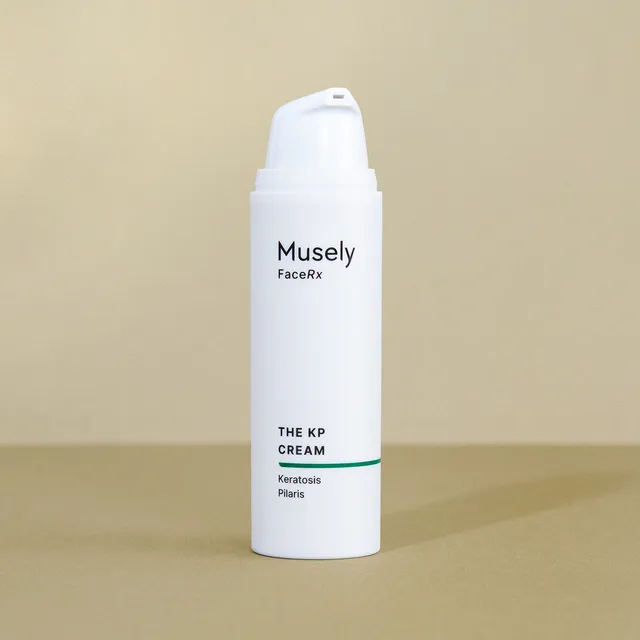
The KP Cream
Topical cream to treat rough, bumpy skin caused by keratosis pilaris, also known as chicken skin
More tips like this

Anti-Aging
Melanie Face-Rx Testimonial

Anti-Aging
Avoid Tretinoin Irritation: Tips, Strengths, and Scheduling

Anti-Aging
Tretinoin Basics: Step‑by‑Step Guide for Clearer Skin

Anti-Aging
Stop The Clock On Your Skin Before It's Too Late

Anti-Aging
An Anti-Aging Skincare Guide For Women After 30
Anti-Aging
Turn Back the Clock with Exosomes: How Musely’s The Cell Repair Serum Helps Regain Youthful Skin
Anti-Aging
Erase Wrinkles at Home: Prescription Cream That Works

Anti-Aging