Hormone-Related Skin Changes: Navigating Perimenopause, Menopause & Beyond

Reviewed by Dr. Marie Jhin,
Board Certified Doctor
Written by Musely Editor
Posted on
From perimenopause to post-menopause, hormonal skin changes can feel confusing, frustrating, and relentless. As estrogen declines and androgens shift, the skin’s texture, tone, and behavior can drastically change, seemingly overnight. For women in their 40s, 50s, and beyond, the key to restoring balance lies in understanding what’s happening beneath the surface.
Hormonal Skin Changes
Hormones play a starring role in skin health, and their impact becomes more apparent starting in the late 30s. As estrogen drops and androgen levels fluctuate, many women experience a combination of menopause skin changes, including dryness, acne, uneven pigmentation, rosacea, and visible aging. These changes can begin during perimenopause and persist long after menopause.
Whether you're struggling with perimenopausal acne, menopause dry skin, or a sudden menopause rash, the right strategy begins with science.
Hormone 101: How Fluctuations Impact Skin
Monthly Cycle vs. Perimenopause vs. Menopause
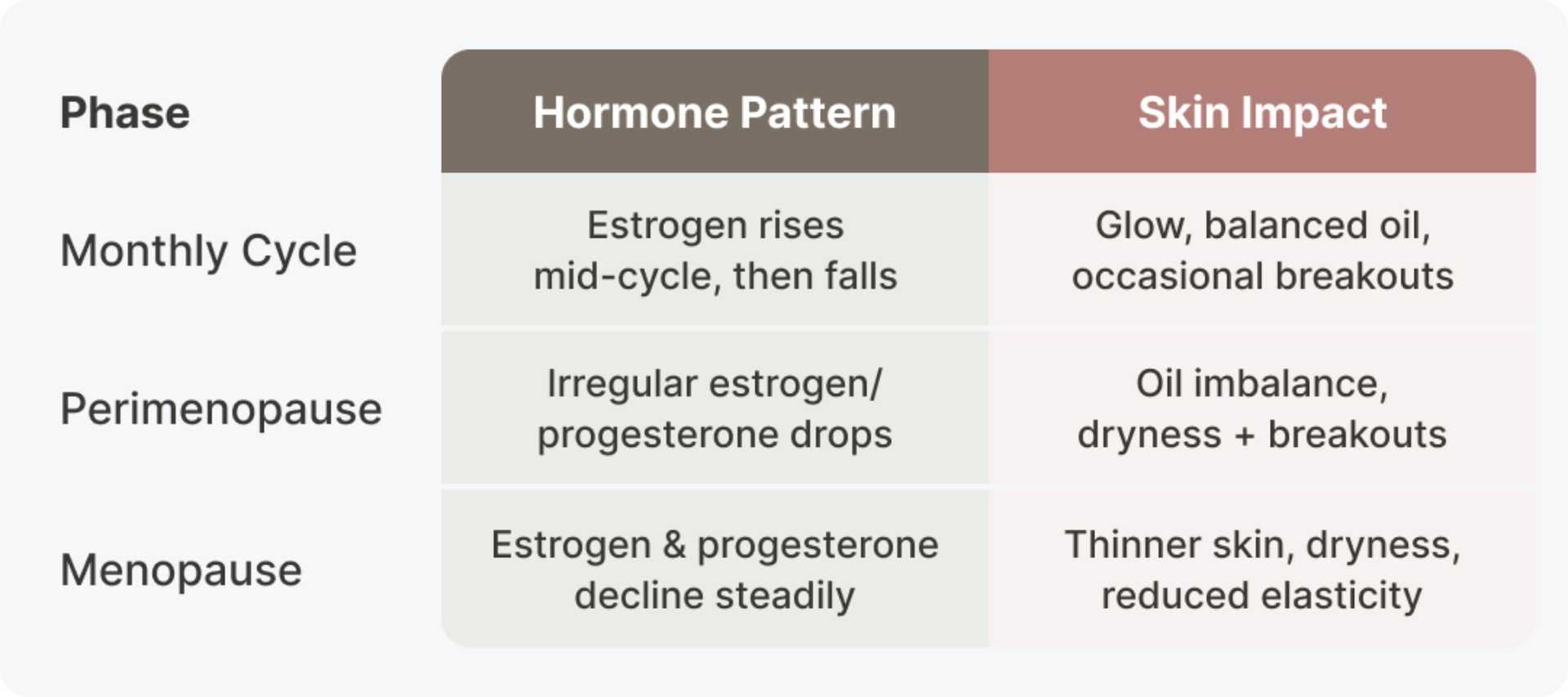
Estrogen Decline & Collagen Loss
Estrogen stimulates collagen, elastin, and hyaluronic acid production. As levels fall, skin becomes thinner, drier, and more fragile. This explains why menopause dry skin and increased wrinkles often occur together.
Androgen Spikes & Acne Flares
Even as estrogen declines, androgens (like testosterone) levels fluctuate. This imbalance can lead to perimenopausal acne or persistent menopause acne, often featuring deeper, cystic breakouts—especially around the jawline.
Skin Changes During Menopause
Menopause Dry Skin & Barrier Breakdown
With estrogen decline, skin loses ceramides and natural lipids that keep it supple and hydrated. The result? Flaky texture, tightness, and a compromised barrier. Swap to cream-based cleansers, add occlusives like petrolatum or squalane, and avoid stripping actives during flare-ups.
Menopause Acne & Perimenopausal Acne
Yes, breakouts can still happen—despite dryness. Hormonal acne often stems from sebum quality shifts and poor cell turnover. Best practice: use prescription-strength retinoids, azelaic acid, and non-comedogenic moisturizers to rebalance skin without over-drying.
Menopause Skin Pigmentation Changes
Hormonal melasma may fade, but new pigmentation issues often appear—especially after inflammation. These include lentigines, post-inflammatory hyperpigmentation, and uneven tone. SPF is non-negotiable. Topical hydroquinone, tranexamic acid, and vitamin C can help restore clarity.
Menopause Rash & Sensitivity
Flushing, itching, and increased skin reactivity can all be signs of hormonal imbalance. Estrogen affects histamine levels and vascular reactivity, making some women prone to unexplained redness, rosacea or hormonal skin changes. Keep a trigger log and patch test any new product.
Texture, Laxity & Thinning
Collagen and elastin loss contribute to sagging, crepey skin, and fine lines. Support regeneration with peptides, growth factors, or fractional lasers under derm guidance.
Condition-Specific Skincare Protocols
Targeted skincare routines can make a meaningful difference—especially when they align with hormonal needs. Below are dermatologist-informed, symptom-specific protocols to address the most common hormonal skin changes.
Dry-Skin Rescue Routine
Symptoms: Tightness, flaking, sensitivity, post-cleansing discomfort
AM:
Cream cleanser
Hyaluronic acid or glycerin-based serum
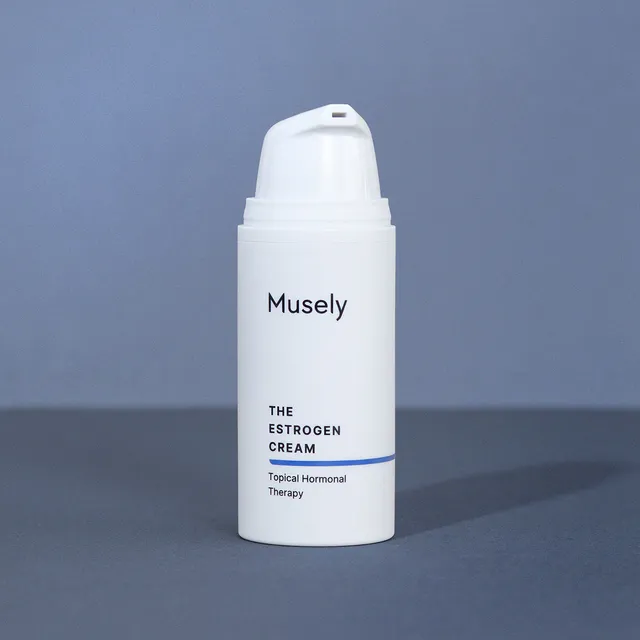
The Estrogen Cream (topical HRT for systemic support for skin dehydration, hot flashes and facial redness and collagen degradation)
Barrier-rich moisturizer (ceramides, squalane)
Tinted mineral SPF
PM:
Gentle cleanser
Niacinamide serum or peptide blend
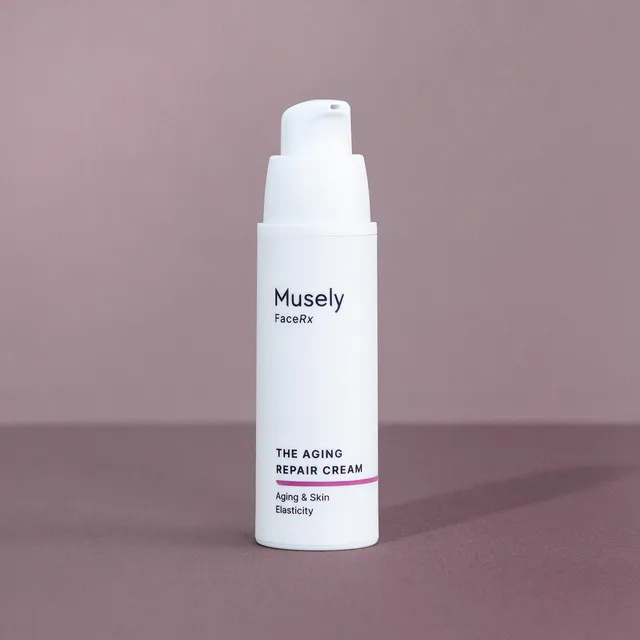
The Aging Repair Cream (supports collagen, improves tone, reduces fine lines)
Occlusive balm (as needed for nighttime sealing)
Targeted Acne Routine
Symptoms: Cystic breakouts on jawline/chin, rough texture
Non-foaming or salicylic acid cleanser
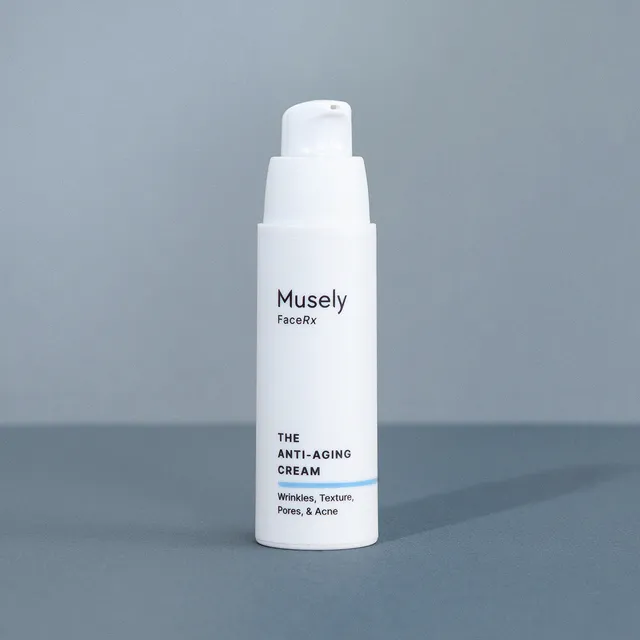
Prescription tretinoin like The Anti-Aging Cream
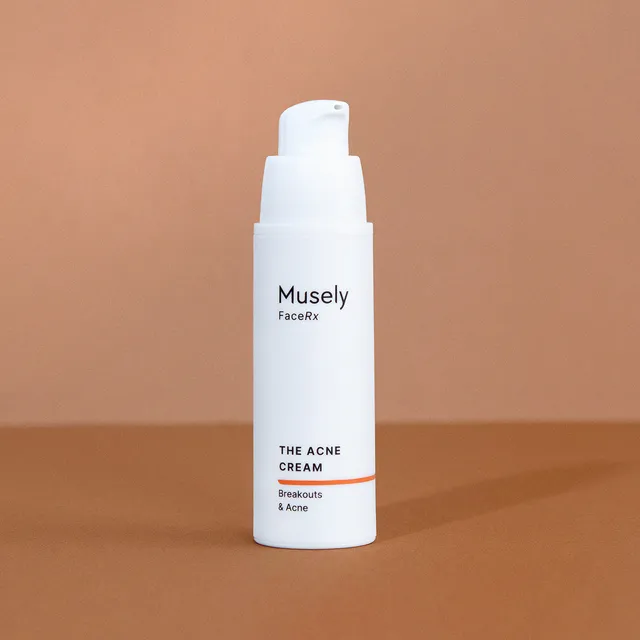
The Acne Cream (a prescription formula with tretinoin, niacinamide, and clindamycin, designed to treat hormonal breakouts without over-drying skin)
Lightweight moisturizer (non-comedogenic)
SPF 30+ (mineral formula preferred)
Pigmentation Corrective Plan
Symptoms: Melasma-like patches, dark marks after blemishes
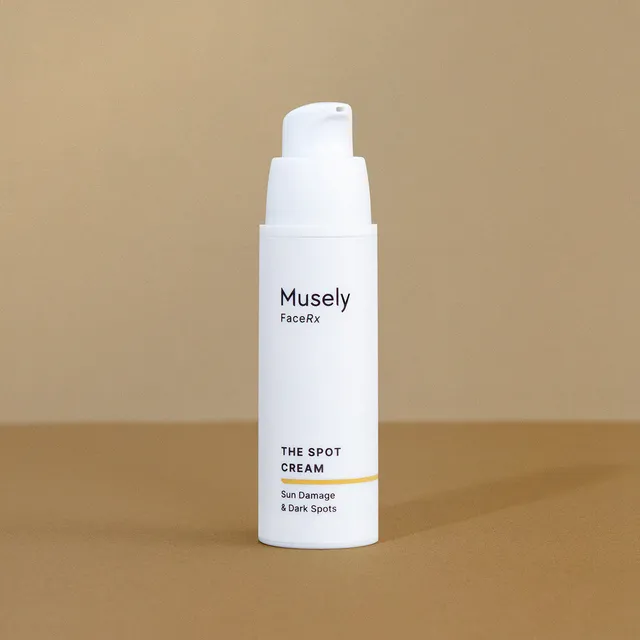
Nightly use of The Spot Cream (hydroquinone, tretinoin, niacinamide, and more)
Daytime vitamin C or antioxidant serum
SPF with iron oxides (critical to prevent recurrence)
8–12 week consistency with follow-up reassessment
Soothing Rash & Flare Plan
Symptoms: Flushing, burning, redness, new product reactivity
Use a fragrance-free, pH-balanced cleanser to gently cleanse without stripping the skin barrier
Follow with a minimalist routine using barrier-repair creams containing zinc, colloidal oatmeal, or ceramides
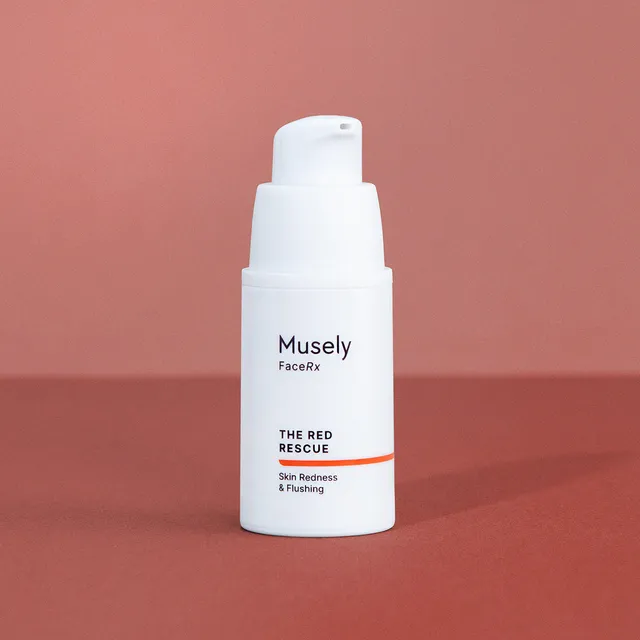
The Red Rescue Cream (a physician-formulated blend with Oxymetazoline and Hydrocortisone) is ideal for calming visible redness and reactive skin, especially during hormonal fluctuations
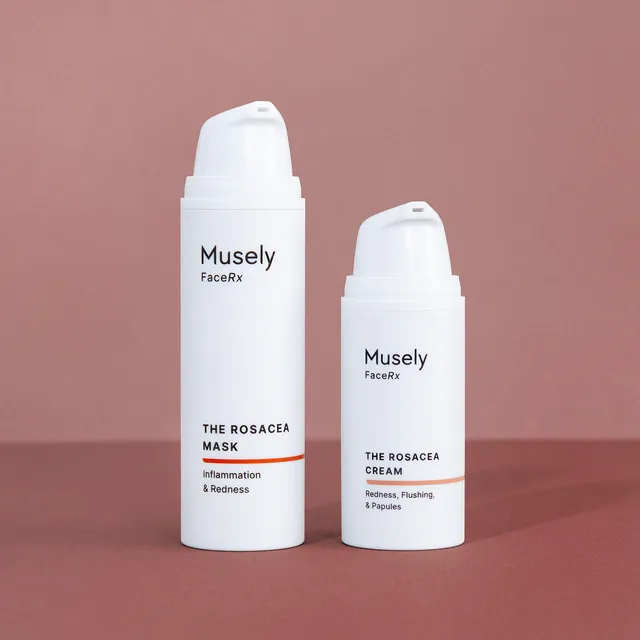
For patients with more persistent or rosacea-like flushing, Musely’s Rosacea Creams offer prescription-strength solutions tailored to inflammation, sensitivity, and vascular reactivity
Keep a trigger journal to track heat, spicy foods, alcohol, product changes, and environmental exposures
Avoid active treatments (retinoids, acids, peels) during flare periods to prevent worsening symptoms
Consider a tele-dermatology consult if flares are frequent or spreading
Lifestyle & Internal Factors
Diet & Phytoestrogens
Soy, flaxseed, lentils, and leafy greens offer plant estrogens and antioxidants that may support skin balance from within.
Stress, Cortisol & Flare-Ups
High cortisol contributes to barrier dysfunction, inflammation, and breakouts. Mindfulness, therapy, and gentle exercise reduce skin flare potential.
Sleep & Glymphatic Flow
Nighttime repair relies on circulation and detox pathways. Consistent sleep promotes firmer, more radiant skin.
Exercise, Lymphatics & Glow
Movement improves microcirculation and may indirectly support collagen production in estrogen-declining skin.
Medical & Professional Treatments
Topical Estrogen Creams: May improve elasticity and hydration; available via Musely. Monitor use with a provider.
Systemic HRT: May improve skin thickness and reduce wrinkles, but risks/benefits vary.
In-Office Options: Microneedling, fractional laser, PRP, and RF skin tightening are effective for post-menopause complexion loss.
See a Derm If: You experience unrelenting rashes, new pigmentation changes, or resistant hormonal acne.
Musely Solutions for Hormonal Skin Concerns
Musely offers telehealth-based solutions specifically designed to address the most common hormonal skin changes experienced during perimenopause and menopause. From dryness and pigmentation to acne and collagen loss, our dermatologist-backed treatments target symptoms at the source.
The Spot Cream: A prescription blend of hydroquinone, tretinoin, niacinamide, and more - customized to fade melasma, dark patches, and post-inflammatory marks.
The Anti-Aging Cream: Treat menopause acne and perimenopausal acne with dermatologist-monitored retinoid therapy, tailored to your skin’s tolerance and history.
The Estrogen Cream: A topical, compounded hormone therapy that replenishes estrogen directly through the skin- supporting hydration, elasticity, and overall skin tone. Ideal for dryness, crepiness, and thinning linked to menopause.
The Aging Repair Cream: Targets visible signs of aging related to estrogen decline with peptides, bakuchiol, and barrier-repairing actives. Perfect for nighttime support and long-term firmness.
Follow-Up & Refill Cadence: Every treatment includes built-in access to licensed dermatologists, routine check-ins, and auto-refill reminders to ensure consistency and support.
Q&A With Dr. Marie Jhin, Board Certified Dermatologist
Q: Why does menopause acne happen if my skin feels dry?
A: Because oil production slows, but pore congestion and androgen levels may rise—causing breakouts despite surface dryness.
Q: How long do menopause skin changes last?
A: They may begin in perimenopause and continue for 5–10 years or longer, depending on hormonal shifts.
Q: Can hormonal skin changes cause rashes?
A: Yes. Fluctuations in estrogen can heighten histamine response and barrier disruption, increasing rash and rosacea risk.
Q: Best way to treat menopause skin pigmentation changes at home?
A: Use a dermatologist-guided formula with hydroquinone or tranexamic acid, combined with daily SPF and antioxidant support.
Q: Is topical estrogen safe for skin?
A: When compounded by a licensed pharmacy and used under supervision, it can be a safe option for skin thinning and dryness.
Q: Do lifestyle changes actually help with hormonal skin changes?
A: Yes—especially those that target inflammation, stress, sleep, and nutrition. Skincare works best alongside systemic support.
To deepen your understanding or start treatment, explore our related resources:
Products In This Tip
More tips like this
Menopause Symptoms
Estriol Face Cream: Menopause Skin Fix?

Menopause Symptoms
3 Common Skin Changes During Menopause

Menopause Symptoms
Fast Online Relief for Hot Flashes, Sleep & Skin 2026

Menopause Symptoms
Menopause Fatigue Explained: The Science, Symptoms, and Solutions

Menopause Symptoms
Menopause Hair Loss Treatment: Traditional and Unconventional Tips to Try

Menopause Symptoms
Effective Treatments for Menopause Hot Flashes

Menopause Symptoms